The titles belong to three different eras. In 1980 a home side beat Algeria 3–0 in the final in Lagos, Segun Odegbami scoring twice. In 1994 Zambia led the final in Tunis after three minutes before Emmanuel Amunike scored both Nigerian goals, with Rashidi Yekini top scorer and best player of the tournament. In 2013 Stephen Keshi, a winner in that 1994 squad, returned as coach and Sunday Mba’s goal beat Burkina Faso in Johannesburg — making Keshi one of only two men to win the Cup as player and coach.
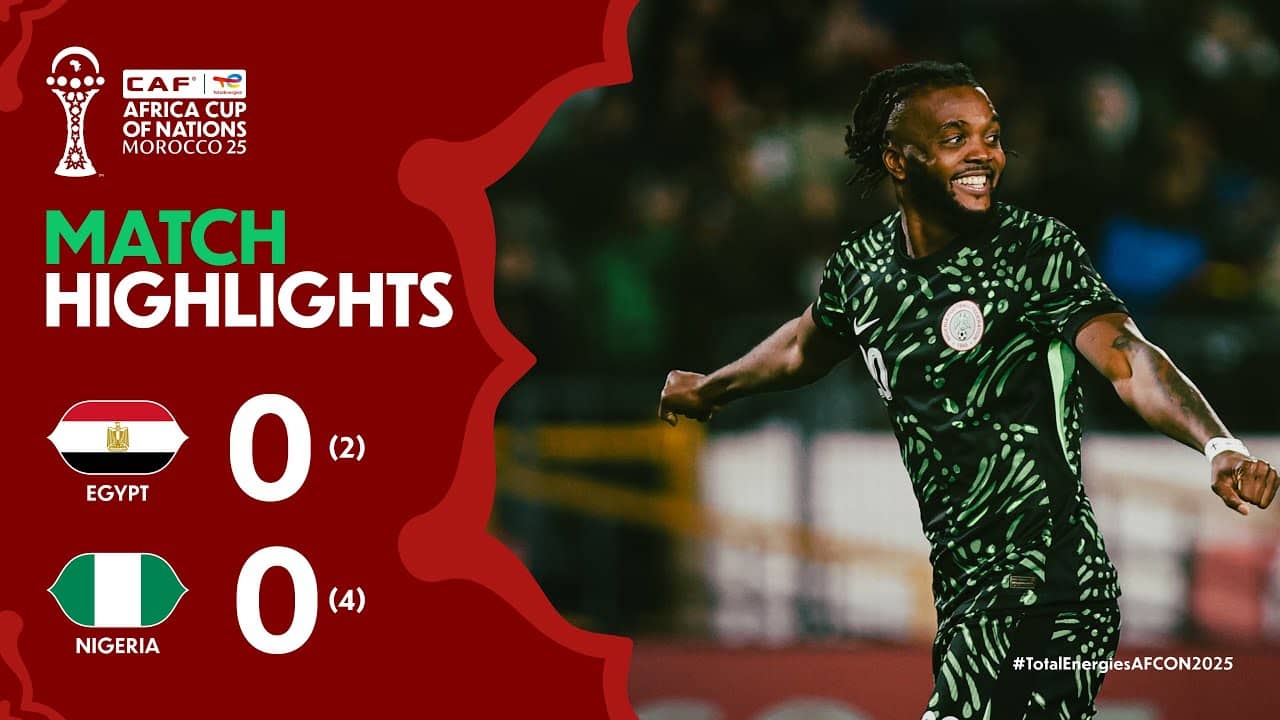
The near-misses are part of the identity too. Cameroon beat Nigeria in the finals of 1984, 1988 and 2000, the last on penalties in Lagos, and hosts Côte d’Ivoire came from behind to win the 2023 final in Abidjan after William Troost-Ekong — later named the tournament’s best player — had put Nigeria ahead. At Morocco 2025 Eric Chelle’s side won their first five matches, lost the semi-final to the hosts on penalties and then beat Egypt in a shoot-out for a ninth bronze: eight third-place play-offs, eight wins.
The road to Kenya, Tanzania and Uganda is narrower than usual. Nigeria are in Group L with co-hosts Tanzania, Madagascar and Guinea-Bissau; because Tanzania have already qualified as co-hosts, only the best of the other three goes through. The campaign starts against Madagascar in Uyo on 25 September 2026.


 Follow Nigeria



 Fan
Fan

 Ghana
Ghana Cameroon
 France
 United Kingdom